You don’t need a mahogany cabinet, a crystal decanter, or a bartender’s salary to make good drinks at home. You need a few smart bottles, a handful of fresh ingredients, and a plan. This guide walks you through a starter bar that comes in around $100, with a shopping list, a cheat sheet of drinks you can actually make, and a few tricks to stretch every dollar.
First, a Quick Mindset Shift
Most beginner bars go wrong in the same way: people buy one bottle of everything. Ten bottles later, they can make exactly two drinks and the rest gather dust.
The better approach is to buy fewer bottles that do more work. Think of your bar as a small wardrobe. A few versatile pieces that mix and match will always beat a closet full of one-offs.
A quick note on prices: they change a lot depending on where you live, because taxes, store type, and local rules all play a part. The numbers below are realistic ballparks for budget-friendly bottles. Check your local shop, and keep an eye out for sales.
The $100 Shopping List
The Core Spirits (about $69)
1. Bourbon (about $20). This is your cozy-weather workhorse. It anchors the Old Fashioned, Whiskey Sour, and Manhattan. A solid mid-shelf bourbon in the $18 to $22 range is plenty good for mixing.
2. Blanco tequila (about $20). Look for a bottle labeled “100% agave.” It makes a noticeably cleaner margarita than the cheapest mixed-style bottles, and it’s the star of the Paloma too.
3. Gin (about $16). Gin is surprisingly forgiving at lower price points. A classic London dry style handles a gin and tonic, a gimlet, and a Tom Collins with ease.
4. White rum (about $13). Light, clean, and flexible. It’s your ticket to daiquiris, mojitos, and easy rum-and-ginger-beer highballs.
The Supporting Cast (about $22)
5. Orange liqueur (about $8). A budget triple sec is fine here. It’s the secret handshake behind margaritas and a dozen other classics.
6. Sweet vermouth, small bottle (about $6). Buy the half-size bottle if you can. Vermouth is a fortified wine, so it fades once opened. Keep it in the fridge and use it within a month or two.
7. Aromatic bitters (about $8). A single bottle lasts for ages because you only add a few dashes at a time. It’s the cheapest way to make a drink taste like it came from a real bar.
The Fresh Stuff (about $9)
- Lemons and limes
- Sugar (for homemade simple syrup)
- Club soda or seltzer
- Ginger beer or tonic water
- One orange for peels and garnish
Estimated total: about $100. If your local prices run higher, skip the rum for now and add it later. The rest of the bar still works beautifully without it.
Why No Vodka?
Vodka fans, don’t panic. It’s a perfectly good spirit, and if it’s your go-to, swap it in for the rum or gin. But for a starter bar, gin and rum bring more flavor to the table, which means your drinks taste more interesting with fewer ingredients. Make your bar fit your own habits.
The Gear: Spend Almost Nothing
Everyone wants to buy a fancy shaker set. You can wait.
- A clean mason jar with a tight lid works as a shaker. Fill it with ice, add your ingredients, seal it, and shake.
- A tablespoon is your measuring tool. Two tablespoons equal one ounce, which covers most recipes.
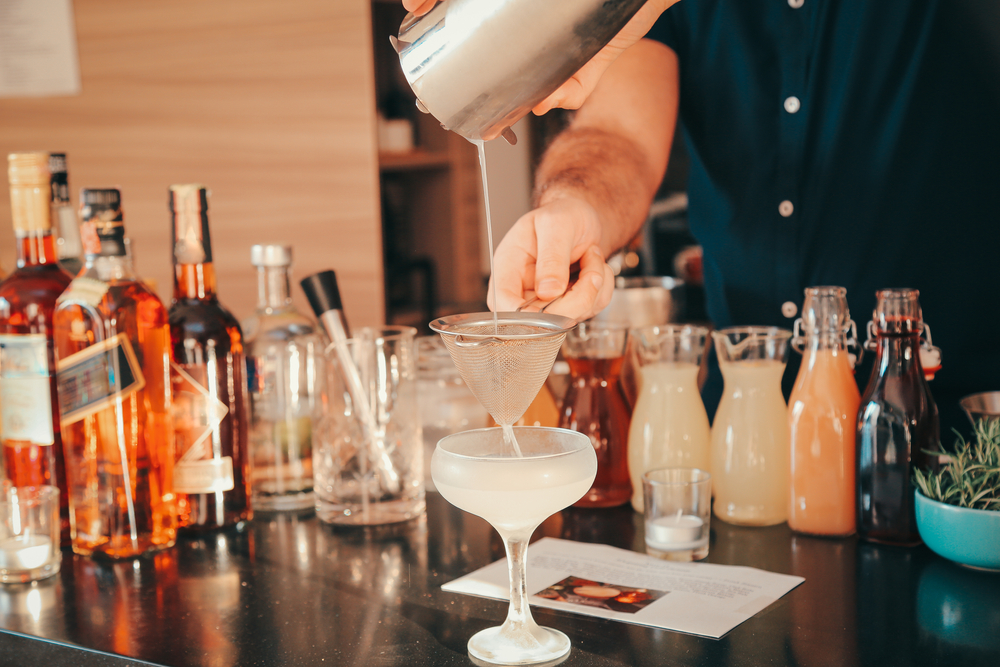
- A fork or small kitchen strainer can hold back the ice and citrus pulp when you pour.
- A vegetable peeler makes citrus twists in seconds.
If you love the hobby after a month or two, upgrading is easy and fun. Until then, your kitchen already has what you need.
Make Your Own Simple Syrup (It Takes 3 Minutes)
Skip the store-bought bottle. Stir equal parts sugar and hot water until the sugar dissolves, let it cool, and store it in a jar in the fridge. It will keep for a couple of weeks. This one trick pays for itself immediately, because syrup is in half the drinks on this list.
What You Can Make With This Bar
Here’s where the shopping list turns into actual happy hours.
| Drink | What You’ll Use |
|---|---|
| Old Fashioned | Bourbon, bitters, simple syrup, orange peel |
| Whiskey Sour | Bourbon, lemon juice, simple syrup |
| Manhattan | Bourbon, sweet vermouth, bitters |
| Margarita | Tequila, orange liqueur, lime juice |
| Paloma | Tequila, lime, grapefruit soda or juice |
| Gin and Tonic | Gin, tonic water, lime wedge |
| Gin Gimlet | Gin, lime juice, simple syrup |
| Tom Collins | Gin, lemon juice, simple syrup, club soda |
| Daiquiri | White rum, lime juice, simple syrup |
| Rum and Ginger Beer | White rum, ginger beer, lime |
That’s ten classic drinks from seven bottles. Not bad for a $100 budget.
Easy Ratios to Memorize
You don’t have to carry recipes around forever. Many cocktails follow simple patterns:
- Sours (whiskey sour, daiquiri, gimlet): 2 parts spirit, 1 part citrus, 1 part simple syrup (or slightly less syrup if you like it tart).
- Highballs (gin and tonic, rum and ginger beer): 1 part spirit to 3 parts fizzy mixer, over plenty of ice.
- Spirit-forward stirred drinks (Old Fashioned, Manhattan): mostly spirit, with a small amount of sweetener or vermouth and a couple of dashes of bitters.
Once these patterns click, you can start improvising. Swap lime for lemon, try honey syrup, or muddle a few berries into your next sour.
Smart Ways to Save (and Not Regret It)
Buy mid-size bottles, not minis. Small bottles cost more per ounce. A standard 750 ml bottle gives you the best value for the drinks you’ll actually make.
Shop store brands carefully. Many stores sell their own labeled spirits at a lower price. Some are surprisingly good for mixing. Pick up one, try it in a cocktail with strong flavors, and decide for yourself.
Don’t pay for the premium bottle in a mixed drink. If a cocktail has lime juice, syrup, and liqueur, the extra-fancy bottle gets partly lost in the glass. Save the splurge for sipping neat.
Watch for sales and holiday promotions. Fall and winter are great times to pick up bottles, since stores often run deals heading into the holidays.
Use fresh citrus. This costs a few extra cents and makes the biggest difference of anything on the list. Bottled lime juice from the shelf rarely tastes the same.
Storage and Care
A home bar doesn’t need special furniture. A kitchen shelf, a tray on the counter, or a corner of a bookcase works perfectly.
- Keep spirits upright, away from direct sunlight and heat.
- Refrigerate vermouth after opening.
- Keep citrus in the fridge and squeeze it right before mixing.
- Wipe bottle necks so sugar from drips doesn’t turn sticky.
Spirits like bourbon, gin, rum, and tequila last for a very long time once opened, so there’s no pressure to rush through them.
Drink Responsibly (and Keep It Fun)
A home bar is about good company, not about quantity. Measure your pours, pace yourself, keep water nearby, and never drive after drinking. If someone at your table prefers to skip alcohol, a squeeze of citrus, some soda, and a nice garnish makes a great alcohol-free option from the same ingredients.
Your Next Upgrades (When You’re Ready)
After a few weeks, you’ll probably notice which drinks you reach for most. That’s your cue to expand. A few natural next steps:
- A proper shaker and jigger for a smoother routine.
- A bitter aperitif if you like drinks with a bittersweet edge.
- A quality whiskey or aged rum for sipping.
- Fun garnishes like cocktail cherries, fresh herbs, or citrus wheels.
There’s no rush. The best home bars grow slowly, shaped by the people who use them.
Stocking a home bar for under $100 isn’t about cutting corners. It’s about choosing wisely. With four spirits, three supporting bottles, and a few fresh ingredients, you can make ten crowd-pleasing classics, impress your friends, and enjoy a great drink without leaving your kitchen.
So grab that mason jar, squeeze a lime, and start with a margarita. Your home bar is officially open. Cheers!