Boiled eggs may seem simple, but achieving the perfect texture can be surprisingly tricky. Whether you enjoy a soft, jammy yolk or a fully set hard-boiled egg, the secret lies in using the right cooking method and timing. With a few easy techniques, you can consistently make eggs with tender whites, creamy yolks, and shells that peel with minimal effort.
In this guide, you’ll learn the best way to boil eggs on the stovetop, alternative cooking methods, and practical storage tips to keep your eggs fresh and delicious.
Why Egg Freshness Matters
While farm-fresh eggs are excellent for frying, poaching, and scrambling, they aren’t always the best choice for boiling. Slightly older eggs—those that have been refrigerated for one to two weeks—tend to peel much more easily after cooking.
If you’re planning to make deviled eggs, egg salad, or meal-prep snacks, choosing older eggs can save you a lot of frustration.
The Foolproof Stovetop Method
Many people debate whether eggs should be started in cold water or dropped into boiling water. For the most consistent results, starting with cold water is the better option. This gentle approach helps prevent overcooking and reduces the risk of cracked shells.
Step 1: Place Eggs in a Pot and Add Cold Water
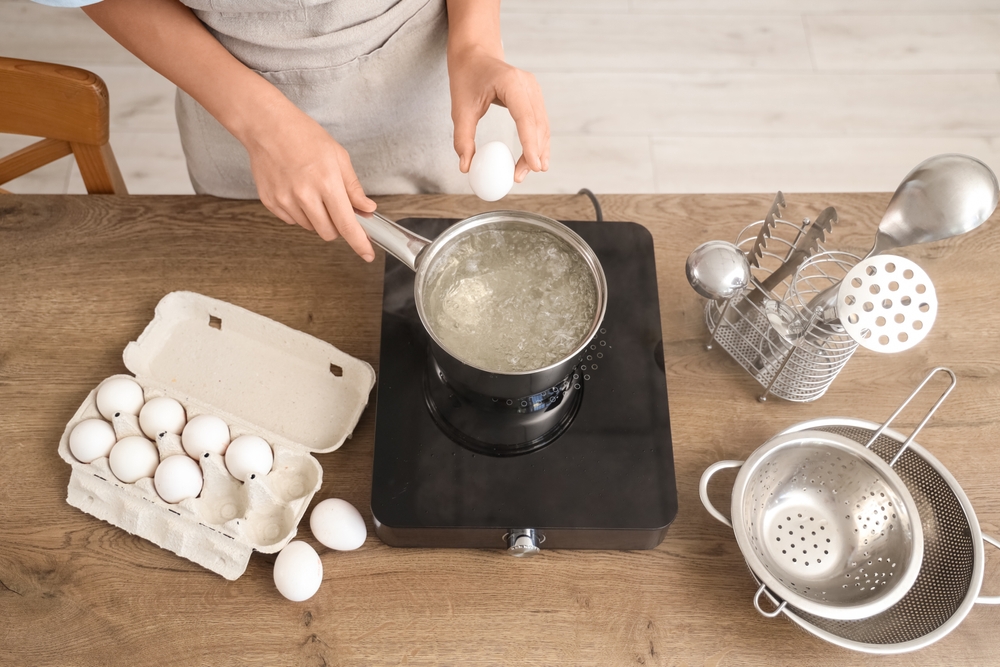
Arrange the eggs in a saucepan or pot in a single layer. Cover them with cold water, ensuring the water level is about an inch above the eggs.
Adding eggs before the water helps prevent cracks that can occur when eggs are dropped into a filled pot.
Step 2: Bring the Water to a Boil
Place the pot over high heat and bring the water to a rolling boil. As soon as the water reaches a boil, remove the pot from the heat and cover it with a lid.
This method allows the eggs to finish cooking in hot water rather than continuously boiling, which helps preserve a better texture and prevents the yolks from developing an unappetizing green ring.
Step 3: Let the Eggs Sit
The resting time determines how firm the yolk becomes. Use the following guide for large eggs:
| Standing Time | Yolk Texture | White Texture |
|---|---|---|
| 4–5 minutes | Soft and runny | Soft |
| 6–8 minutes | Creamy and slightly set | Firm |
| 10–12 minutes | Fully cooked but tender | Fully set |
Keep in mind that smaller eggs may require less time, while extra-large eggs may need an additional minute or two.
Step 4: Transfer to an Ice Bath
Immediately move the eggs into a bowl filled with ice water. This stops the cooking process and helps maintain the ideal yolk color and texture.
For easier peeling, gently crack the shells before placing the eggs into the ice bath. Allow them to cool for at least 15 minutes, or up to an hour for the best peeling results.
How to Get the Perfect Yolk Every Time
The ideal boiled egg should have whites that are firm yet tender and yolks that are cooked to your preference without becoming dry or chalky.
The biggest mistake people make is leaving eggs in boiling water for too long. Excessive heat can cause yolks to turn greenish-gray and develop a sulfur-like flavor. By letting the eggs finish cooking off the heat, you avoid these common problems.
Baking Eggs in the Oven
Need to cook a large batch of eggs at once? The oven can be a surprisingly convenient solution.
Place eggs in the cups of a muffin tin to prevent rolling and bake them until fully cooked. This method requires no water and frees up valuable stovetop space, making it ideal for meal prep or holiday cooking.
Although technically baked rather than boiled, the end result is very similar to traditional hard-cooked eggs.
Using a Pressure Cooker or Instant Pot
Pressure cookers and Instant Pots have become popular for cooking eggs because they make peeling remarkably easy, especially when using very fresh eggs.
While the pressure-cooking method doesn’t necessarily save much time, it often delivers consistently cooked eggs with shells that slip off effortlessly. This makes it a favorite technique among home cooks who regularly work with fresh eggs.
How to Store Hard-Boiled Eggs
Proper storage helps maintain freshness and flavor.
Unpeeled Eggs
Store hard-boiled eggs in their shells inside a covered container in the refrigerator. The shell acts as a natural barrier against odors and helps keep the eggs tasting fresh.
Peeled Eggs
If you’ve already removed the shells, place the eggs in an airtight container with a damp paper towel. Replace the towel daily to maintain moisture and prevent the eggs from drying out.
How Long Do Hard-Boiled Eggs Last?
When refrigerated properly, hard-boiled eggs remain safe to eat for up to seven days.
For the best quality, keep eggs in their shells until you’re ready to enjoy them. This helps preserve texture, flavor, and freshness throughout the week.
Final Thoughts
Perfect boiled eggs don’t require special equipment or advanced cooking skills. By starting with cold water, allowing the eggs to finish cooking off the heat, and cooling them quickly in an ice bath, you can achieve reliable results every time.
Whether you prefer a silky soft-boiled egg for breakfast or a firm hard-boiled egg for meal prep, mastering these simple techniques will help you enjoy perfectly cooked eggs with ease.