
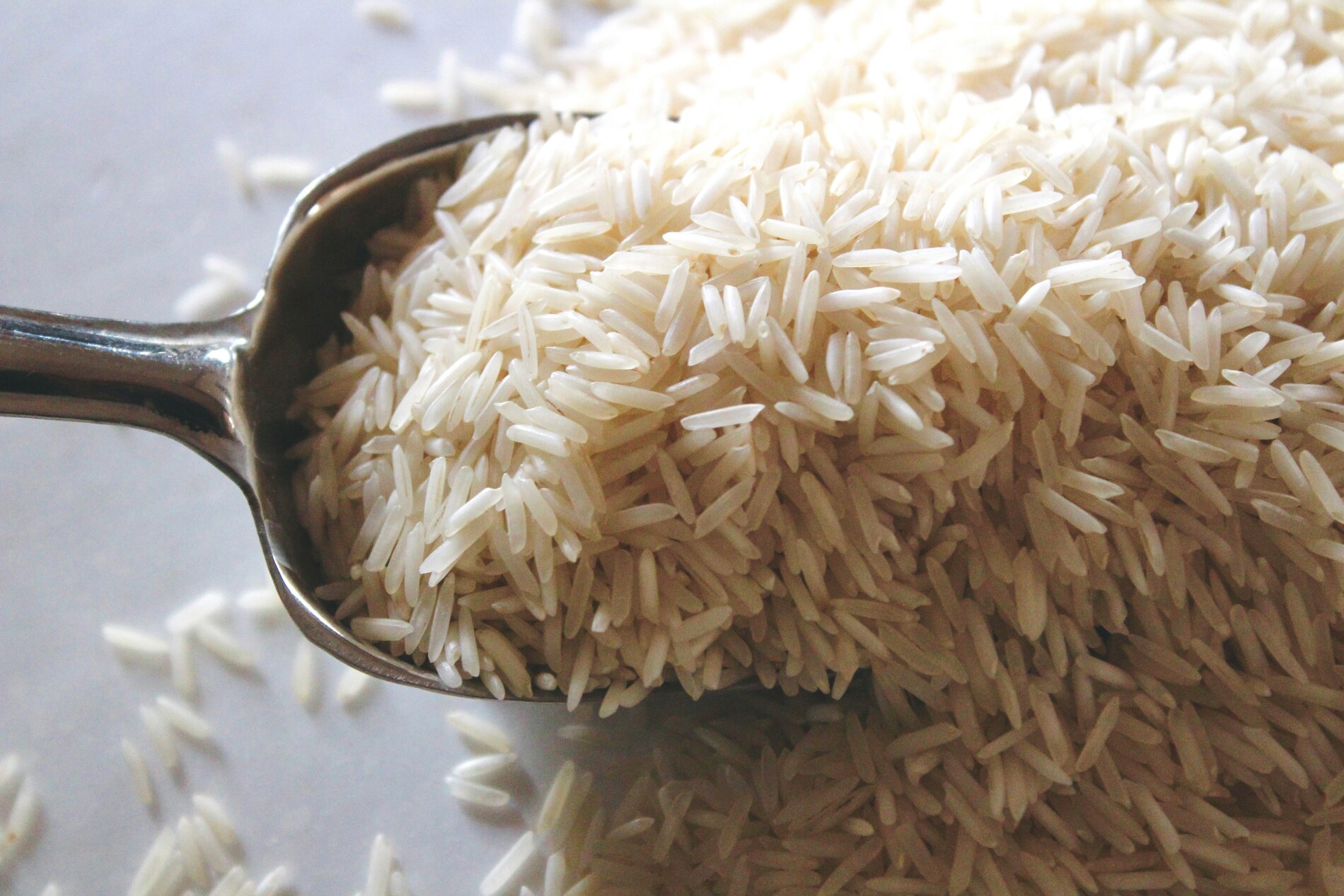
Simple steps that remove guesswork and deliver consistent results
Rice is a staple in many kitchens, yet it often feels tricky to get right. Too wet, too dry, undercooked, or mushy results usually come from small missteps rather than bad technique. Cooking perfect rice every time is less about special tools and more about understanding a few core principles. Once you know them, the process becomes calm, repeatable, and reliable.
Start with the Right Rice
Different types of rice behave differently. Long grain white rice, basmati, jasmine, short grain rice, and brown rice each absorb water at their own pace. Before cooking, know which type you are using and follow ratios that suit it.
Long grain white rice is light and fluffy when cooked correctly. Short grain rice becomes softer and slightly sticky. Brown rice needs more time and water because it still has its outer layer. Matching your method to the rice type sets the foundation for success.
Rinse the Rice Properly
Rinsing rice removes excess surface starch that can cause clumping. Place the rice in a bowl or sieve and rinse under cold water until the water runs mostly clear.
This step improves texture and keeps grains distinct. It takes only a minute but makes a noticeable difference in the final result.
Measure Water Carefully
Water ratio is one of the most important factors. Too much water leads to mushy rice. Too little leaves grains undercooked.
For most long grain white rice, a ratio of one part rice to two parts water works well. Brown rice often needs closer to one part rice to two and a half parts water. If you cook rice often, keeping a small chart handy removes uncertainty.
Use the Right Pot and Lid
Choose a pot that allows the rice to sit in an even layer. A heavy bottomed pot helps distribute heat evenly and prevents scorching.
A tight fitting lid is essential. Steam plays a key role in cooking rice, and letting it escape interrupts the process. Once the lid is on, avoid lifting it during cooking.
Bring to a Boil, Then Lower the Heat
Start by bringing the rice and water to a gentle boil. Once boiling, reduce the heat to low and cover the pot. This allows the rice to absorb water slowly and evenly.
Cooking on high heat throughout can cause the water to evaporate too quickly and cook the outside of the grains unevenly.
Do Not Stir While Cooking
Stirring rice during cooking releases starch and can break grains. This leads to a sticky texture and uneven results.
Once the rice is covered and simmering, leave it alone. Trust the process and let steam do the work.
Let It Rest After Cooking
When the water is absorbed and the rice looks tender, remove the pot from heat but keep the lid on. Let the rice rest for five to ten minutes.
This resting time allows moisture to redistribute and finishes cooking the grains gently. Skipping this step often leads to rice that feels wet or uneven.
Fluff Gently Before Serving
After resting, fluff the rice with a fork rather than a spoon. This separates the grains without crushing them.
Fluffing releases excess steam and improves texture. It also helps rice cool slightly before serving.
Season at the Right Time
Plain rice can taste flat if it is not seasoned. Adding a small amount of salt to the cooking water enhances flavor without overpowering the dish.
You can also cook rice in broth or add aromatics like bay leaves or garlic to the water for subtle depth.
Common Mistakes to Avoid
Avoid guessing measurements, lifting the lid repeatedly, and rushing the cooking time. These habits interrupt the process and lead to inconsistent results.
Cooking rice well is about patience and precision, not speed.
Final Thoughts
Perfect rice comes from understanding a few simple rules and repeating them consistently. With proper rinsing, accurate water ratios, controlled heat, and resting time, rice becomes one of the easiest dishes to master.
Once these steps become habit, cooking rice stops feeling uncertain and starts feeling automatic. Perfect rice every time is not luck. It is a reliable routine you can trust.