
Simple habits, smart pantry staples, and a few chef-style tricks that turn weeknight dinners into a night out
You’ve had that dinner out where every bite was deeply flavorful, the sauce clung to the food, and even the vegetables were exciting. Then you tried to recreate it at home and it came out a little flat. That doesn’t mean you’re a bad cook. Restaurant kitchens rely on a handful of habits that home cooks rarely hear about, and most of them cost nothing.
Here are the ones that make the biggest difference.
1. Season Earlier, and in Layers
The most common gap between home and restaurant cooking is salt, and specifically when it goes in. Restaurant cooks season at several stages: the onions as they soften, the sauce as it simmers, the meat before it hits the pan, and a final pinch at the end.
- Salt meat ahead. Sprinkle steaks, chops, and chicken with salt at least 45 minutes before cooking, or overnight in the fridge. The salt is absorbed and seasons the meat all the way through instead of just sitting on the surface.
- Salt your pasta water well. It should taste noticeably salty, like a mild broth. A rough guide is 1 to 2 tablespoons of kosher salt per 4 quarts (about 4 liters) of water.
- Taste as you go. Grab a clean spoon and check every few minutes. Food that tastes fine at the start can need a pinch more after it reduces.
2. Use a Hot Pan and Dry Food
That deep golden crust on a restaurant scallop or chicken thigh comes from browning, and browning needs high heat and dry surfaces. Wet food steams instead of sears.
Pat everything dry with paper towels, heat the pan for a couple of minutes before adding oil, and add the food only when the oil shimmers. Then leave it alone. Food releases from the pan naturally once a good crust forms, so if it’s sticking, give it another minute before you flip.
3. Give Your Food Room
Crowding the pan is the quickest way to get gray, soggy vegetables and pale meat. Too much food at once drops the pan’s temperature and traps moisture. Cook in batches, or use two pans. Roasting vegetables works the same way. Spread them out on the tray with a little space between pieces, and they’ll caramelize instead of steaming.
4. Be Generous With Fat, and Finish With Butter
Restaurant food tastes rich partly because it usually contains more fat than home cooking does. You don’t need to go overboard, but don’t be afraid of a good glug of olive oil for roasting or a knob of butter for finishing.
Here’s a chef’s trick worth stealing. Just before serving a sauce, take the pan off the heat and swirl in a few cubes of cold butter. It makes the sauce glossy, silky, and slightly thicker, and it’s the reason restaurant sauces look so polished.
5. Finish With Acid
If your dish tastes heavy or dull but has plenty of salt, what it needs is probably acid. A squeeze of lemon or lime, a splash of vinegar, or a spoonful of pickled onions at the end wakes everything up. Cooks think of it as turning up the brightness. Add a little, taste, and add more only if it needs it.
6. Stock Your Pantry With Umami Boosters
Umami is the savory, mouth-filling quality that makes food taste “complete.” A few staples add it instantly:
- Soy sauce or tamari (a teaspoon in a beef stew or tomato sauce works wonders)
- Miso paste, stirred into soups, dressings, or butter
- Parmesan rinds, dropped into simmering soups and sauces
- Tomato paste, cooked in the pan until it darkens slightly
- Anchovies or fish sauce, which melt away and add depth without tasting fishy
- Mushrooms, browned well before adding anything else
7. Save Your Pasta Water
That cloudy, starchy water is liquid gold. Before draining, scoop out a mug of it. Toss your cooked pasta directly into the sauce pan with a splash of the water and stir over heat for a minute or so. The starch helps the sauce cling to every strand instead of pooling at the bottom of the bowl.
8. Make a Quick Pan Sauce
After searing meat, don’t wash the pan. Those brown, stuck-on bits are packed with flavor. Here’s the basic method:
- Pour off excess fat, leaving about a teaspoon.
- Add a minced shallot or garlic and cook for 30 seconds.
- Pour in a splash of wine, stock, or even water, and scrape up the browned bits.
- Let it reduce by about half.
- Swirl in cold butter, a squeeze of lemon, and some chopped herbs.
That’s a five-minute sauce that makes a plain chicken breast taste like a menu special.
9. Add Texture and Freshness at the End
Restaurant dishes are rarely one-note. Almost every plate has something soft, something crunchy, and something fresh. At home, you can get there with easy finishing touches:
- Toasted nuts, seeds, or breadcrumbs
- Fresh herbs added right before serving
- A pinch of flaky sea salt over the top
- A drizzle of good olive oil, chili crisp, or herb oil
- Grated citrus zest, for aroma without extra sourness
10. Let Meat Rest and Warm Your Plates
Meat needs a few minutes of rest after cooking. If you cut it right away, the juices run out onto the board. Give steaks and chops 5 to 10 minutes, and larger roasts 15 to 20, loosely tented with foil. Since the meat keeps cooking as it rests, pull it from the heat about 5°F (3°C) below your target temperature.
Then think about the plate. Warming plates in a low oven for a few minutes keeps food hot longer, and a little care with plating (food piled slightly off-center, sauce spooned rather than splashed, wiped rims) makes the meal feel special before anyone takes a bite.
11. Prep Before You Cook
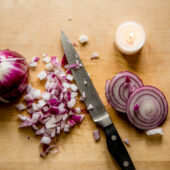
Restaurant cooks call this mise en place, which simply means everything in its place. Chop your vegetables, measure your spices, and set out your sauces before turning on the heat. Things that cook quickly, like stir-fries and pan sauces, don’t wait for you to hunt for the soy sauce, and having everything ready keeps you from burning the garlic while you search for it.
Try It Tonight: A 25-Minute Test Run
Want to practice several of these tricks at once? Try this simple dinner.
- Pat dry and salt two bone-in, skin-on chicken thighs (ideally 45 minutes ahead).
- Sear them skin-side down in a hot pan without moving them until deeply golden, then flip and cook through, until they reach at least 165°F (74°C). Thighs taste best around 175°F (80°C).
- Rest the chicken on a plate while you make the sauce.
- Deglaze the pan with a splash of stock, scraping up the brown bits.
- Finish with a few cubes of cold butter, a squeeze of lemon, and chopped parsley.
- Serve on warm plates with a sprinkle of flaky salt.
Six steps, one pan, and it will taste like something you’d order and enjoy.
The Bottom Line
Restaurant flavor isn’t about fancy equipment or secret recipes. It comes down to seasoning thoughtfully, browning well, balancing rich and bright flavors, and paying attention to the finishing touches. Pick one or two of these habits to try this week, and you’ll taste the difference. The rest will follow with practice.