
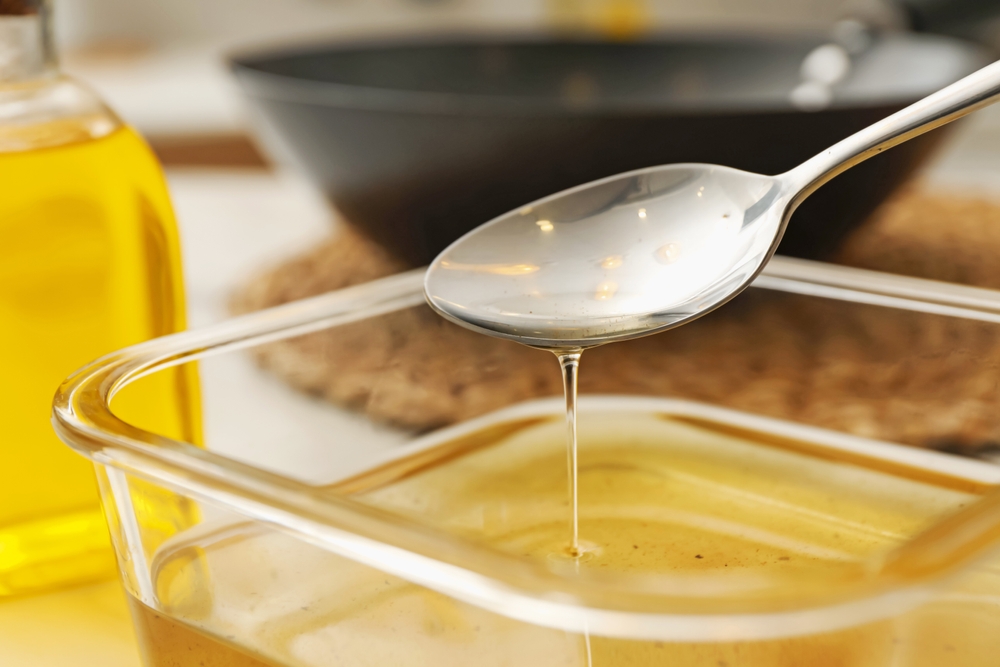
Coconut oil has become a kitchen staple for everything from crispy roasted vegetables to soft vegan brownies. Its rich texture, mild sweetness, and impressive heat tolerance make it one of the most versatile cooking fats around. But sometimes you run out halfway through a recipe, want a healthier option, or simply prefer something more budget-friendly.
The good news? There are plenty of excellent substitutes for coconut oil that work beautifully in both cooking and baking. The trick is knowing which replacement fits your recipe best.
According to chef Ann Ziata, choosing the right alternative depends on three key factors: smoke point, flavor, and whether the recipe needs a solid or liquid fat.
Here’s a complete guide to the best coconut oil substitutes and how to use them successfully.
Why Replace Coconut Oil?
People swap out coconut oil for different reasons:
- You ran out unexpectedly
- You want a less expensive option
- You prefer oils lower in saturated fat
- You need a neutral flavor
- You’re adapting a recipe for dietary preferences
Luckily, many pantry staples can step in without changing the final result too much.
Best Coconut Oil Alternatives for Cooking
When replacing coconut oil in savory cooking, focus on oils with similar heat tolerance and texture. Since coconut oil is pure fat, most cooking oils can be substituted at a simple 1:1 ratio.
Avocado Oil
Avocado oil is one of the best all-around replacements for coconut oil. It has a very high smoke point, making it ideal for:
- Deep frying
- Stir-frying
- Grilling
- Roasting
Its mild, neutral taste won’t overpower recipes, which makes it perfect for everyday cooking.
Best for:
High-heat cooking and neutral-flavored dishes.
Canola Oil
Canola oil is affordable, widely available, and versatile. Its neutral flavor works well in almost any savory recipe, especially when you don’t want the oil to affect the taste.
Best for:
Frying, sautéing, and grilling.
Peanut Oil
Peanut oil is another excellent option for high-temperature cooking. It heats evenly and produces crispy results, especially in fried foods.
Just keep in mind that it may add a subtle nutty flavor to some dishes.
Best for:
Deep frying and Asian-inspired recipes.
Olive Oil
Olive oil works best for low- to medium-heat cooking. Unlike refined coconut oil, olive oil brings its own flavor profile, which can actually enhance many dishes.
Extra virgin olive oil is especially good for:
- Pasta
- Mediterranean dishes
- Salad dressings
- Light sautéing
Best for:
Flavorful cooking and everyday meals.
Best Coconut Oil Substitutes for Baking
Baking is a little more complicated because coconut oil changes texture depending on temperature. Some recipes need solid fat, while others require liquid fat.
Here’s how to choose the right substitute.
Ghee
Ghee, also known as clarified butter, has a rich and buttery flavor. Since it stays semi-solid at room temperature, it behaves similarly to coconut oil in baking.
You can replace coconut oil with ghee using a 1:1 ratio.
Best for:
Cookies, pastries, cakes, and rich baked goods.
Shortening
Shortening is ideal when a recipe depends on solid fat for texture. It helps create flaky pastries and tender baked goods.
Use shortening in:
- Pie crusts
- Biscuits
- Shortbread
- Sugar cookies
Best for:
Recipes that require creaming or cutting fat into flour.
Canola Oil for Baking
Liquid coconut oil can easily be replaced with canola oil in recipes like:
- Muffins
- Quick breads
- Cakes
Use it in a 1:1 ratio for moist, soft baked goods with a neutral taste.
Best for:
Recipes calling for melted coconut oil.
Butter
Butter gives baked goods a richer flavor and softer texture. However, butter contains water and milk solids, unlike coconut oil, so a straight swap is not always exact.
For best results:
- Use 8 tablespoons of butter for every 6 tablespoons plus 1 teaspoon of coconut oil
- Slightly reduce other liquids in the recipe
Best for:
Soft cookies, cakes, and indulgent desserts.
How to Choose the Right Coconut Oil Substitute
Before making a swap, think about these three important factors.
1. Type of Fat
Ask yourself:
Does the recipe need a solid fat or a liquid oil?
- Solid fats work best in pastries and cookies
- Liquid oils are better for cakes, sautéing, and frying
This can dramatically affect texture and structure.
2. Smoke Point
Coconut oil is known for handling high heat well. If you’re frying or grilling, choose oils with similarly high smoke points such as:
- Avocado oil
- Peanut oil
- Canola oil
For lower temperatures, olive oil works perfectly.
3. Flavor
Refined coconut oil has a very mild flavor, while unrefined versions taste distinctly tropical.
Choose:
- Neutral oils for versatile cooking
- Olive oil or ghee when you want added richness and flavor
The flavor of the substitute can subtly change the final dish, sometimes for the better.
Smart Tips for Cooking Oils
To get the best performance and freshness from your oils:
- Buy minimally processed oils when possible
- Store oils away from heat and sunlight
- Keep lids tightly sealed to prevent oxidation
- Rotate different healthy fats in your cooking routine
Using a variety of fats can help create more balanced flavors and textures in your meals.
Final Thoughts
Running out of coconut oil doesn’t mean your recipe is ruined. From avocado oil for frying to butter for cookies, there’s a substitute for nearly every cooking and baking situation.
The secret is matching the replacement to the recipe’s needs — whether that’s high heat, flaky texture, or rich flavor. Once you understand how each fat behaves, swapping coconut oil becomes easy and surprisingly flexible.
With the right substitute on hand, you can keep cooking, baking, and experimenting without missing a beat.