Make Puff Pastry a Staple at Your Home
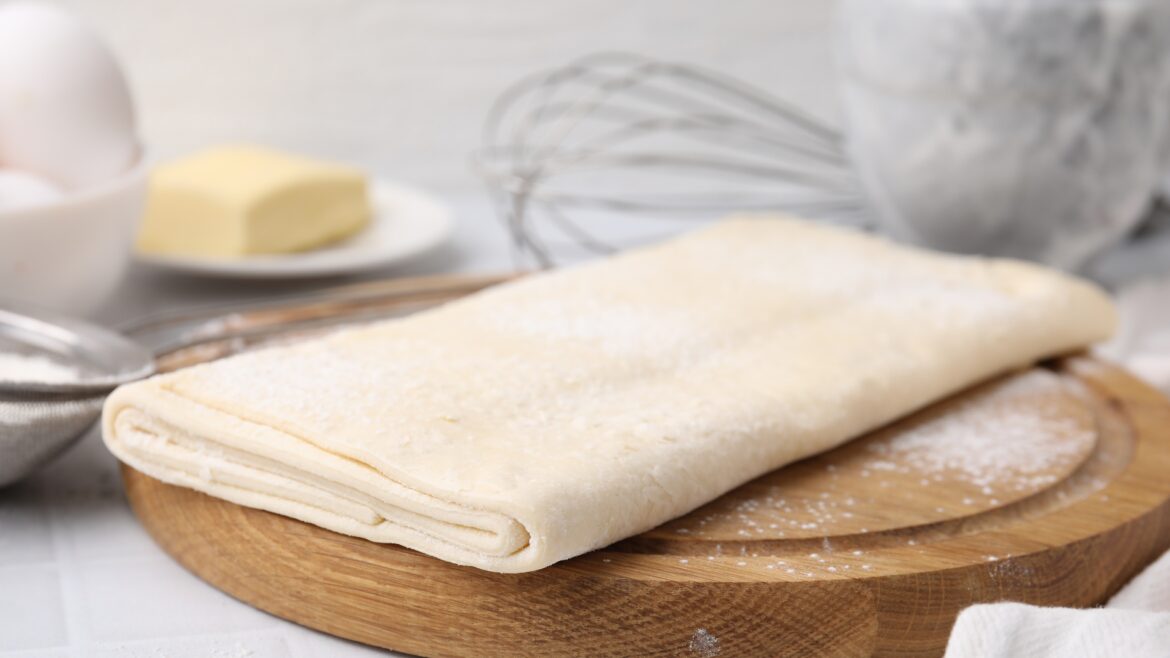
Puff pastry is a dough made from just a few ingredients, but the technique is what matters. It relies on layers of dough and butter that puff up when baked. As the butter melts, it releases steam, which separates the layers and creates that flaky texture.
It sounds intimidating, but it is more about patience than skill. Once you understand the process, the steps become predictable and manageable.
The basic ingredients you need
Classic puff pastry uses flour, cold butter, water, and salt. That is it. The quality of butter matters because it is responsible for both flavor and lift.
Butter should be very cold but pliable. If it melts too early, the layers disappear. Flour with moderate protein works best, as it gives structure without making the dough tough.
How the layering process works
The dough starts simple. Flour, water, and salt are mixed into a smooth base dough. A slab of butter is placed inside, and the dough is folded over it completely.
From there, the dough is rolled out and folded multiple times. Each fold creates more layers. Resting the dough between folds is critical. It keeps the butter cold and allows the gluten to relax, which prevents shrinking.
Why temperature control matters
Heat is the biggest enemy of puff pastry. If the butter softens too much, it blends into the dough instead of staying in layers. This leads to dense pastry instead of flaky lift.
Always chill the dough between steps. If it starts feeling soft or sticky, stop and refrigerate it. Cold dough equals clean layers and better results.
How to store puff pastry properly
Homemade puff pastry stores well if wrapped correctly. In the fridge, it can last up to three days when tightly wrapped in plastic to prevent drying.
For longer storage, freeze it. Wrap the dough in plastic, then place it in a freezer bag. It will keep for up to two months. Thaw it overnight in the fridge before using. Never thaw at room temperature.
Tips for best results when baking
Always bake puff pastry cold. A hot oven is essential so the butter creates steam quickly. Avoid pressing down edges unless sealing a filling, as that can block layers from rising.
Use a sharp knife when cutting to keep layers clean. Dull cuts compress the dough and limit the puff. Puff pastry rewards patience. When made and stored correctly, it becomes a reliable base for both sweet and savory dishes. Once you master it, it opens the door to endless baking options.