
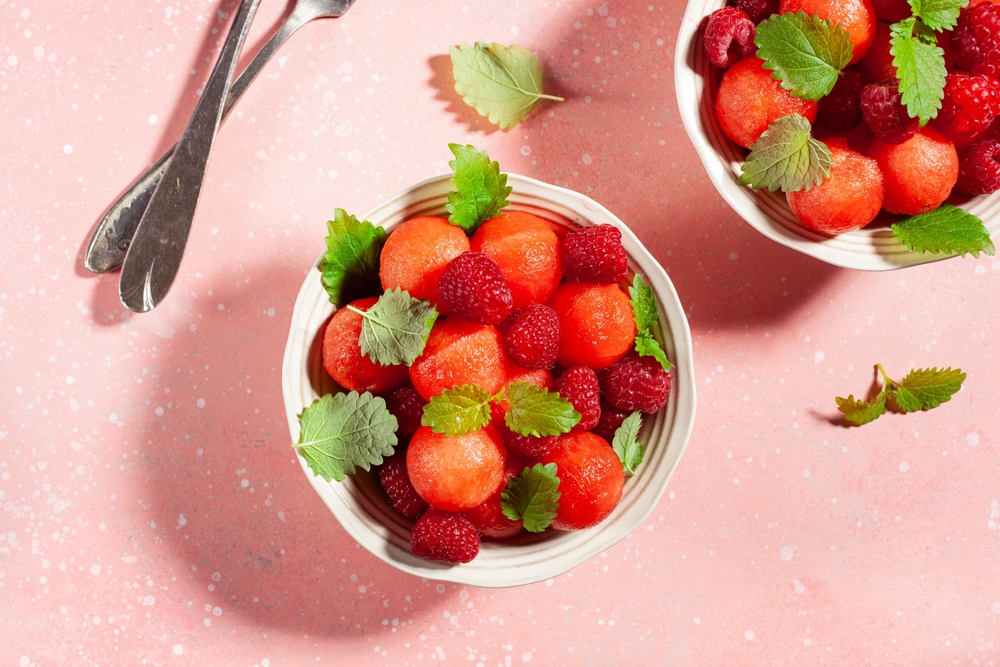
There’s something special about herbs that can instantly brighten both your meals and your mood. Lemon balm is one of those hidden kitchen gems. With its refreshing citrus aroma, delicate flavor, and incredible versatility, this leafy herb deserves a permanent place in your garden, windowsill, or shopping basket.
Whether you’re brewing a relaxing cup of tea, adding freshness to salads, making homemade jam, or experimenting with summer desserts, lemon balm offers countless ways to elevate everyday cooking.
Here’s everything you need to know about using lemon balm at home, along with 10 delicious recipe ideas to inspire your next meal.
What Is Lemon Balm?
Lemon balm (Melissa officinalis) is a fragrant herb belonging to the mint family (Lamiaceae). Although its leaves smell like fresh lemons, it isn’t related to citrus trees. Instead, it’s closely related to herbs like mint, peppermint, and shiso.
The plant produces soft, slightly wrinkled green leaves that release a pleasant lemon fragrance when gently crushed. Fresh lemon balm is most commonly available during summer and early fall at farmers markets and garden centers, though it’s also sold as dried leaves, essential oil, liquid extract, and herbal supplements.
Its gentle citrus flavor is less sharp than lemon juice, making it an excellent ingredient for both sweet and savory recipes.
Why Lemon Balm Has Become So Popular
Lemon balm has been used for centuries throughout Europe as both a culinary and medicinal herb. Today, it’s loved not only for its fresh flavor but also for its versatility.
People enjoy lemon balm because it:
- Adds a light citrus flavor without acidity
- Complements fruits, vegetables, poultry, and seafood
- Makes refreshing herbal teas and infused drinks
- Grows easily in home gardens
- Attracts bees and other beneficial pollinators
- Can even help naturally repel mosquitoes when the leaves are rubbed on the skin
Its pleasant aroma also makes it popular in homemade beauty products and natural home remedies.
Potential Health Benefits of Lemon Balm
While research is still ongoing, lemon balm has shown promising benefits in several areas. Traditionally, it has been used to promote relaxation and support digestive health.
Some studies suggest that lemon balm may help:
- Reduce stress and anxiety
- Encourage restful sleep
- Improve mood and mental well-being
- Support focus and alertness
- Ease bloating and mild digestive discomfort
Lemon balm essential oil is also commonly used in skincare and massage products for its soothing properties. However, it shouldn’t be viewed as a replacement for medical treatment, and it’s always best to consult a healthcare professional before using herbal supplements regularly.
How to Use Lemon Balm in Your Kitchen
The easiest way to use lemon balm is to treat it like other fresh herbs such as mint or basil. Its mild citrus flavor blends beautifully into both everyday meals and special desserts.
Here are some simple ways to enjoy it:
Brew a Relaxing Herbal Tea
Steep a handful of fresh leaves in hot water for about 5–10 minutes. The result is a light, naturally lemony tea that’s perfect served hot or chilled over ice.
Toss It Into Salads
Whole or thinly sliced leaves add brightness to:
- Green salads
- Fruit salads
- Grain bowls
- Pasta salads
It pairs especially well with strawberries, peaches, watermelon, cucumber, and tomatoes.
Flavor Cold Drinks
Add fresh sprigs to:
- Water
- Lemonade
- Iced tea
- Sparkling water
- Homemade cocktails
- Mocktails
You can even freeze the leaves inside ice cubes for an elegant touch.
Cook With Poultry and Fish
Lemon balm complements lighter proteins beautifully.
Mix chopped leaves into:
- Chicken salad
- Roasted chicken
- Grilled fish
- Shrimp dishes
- Vegetable side dishes
Infuse Cream and Syrups
Warm cream with fresh lemon balm to create delicate desserts like:
- Panna cotta
- Crème brûlée
- Ice cream
- Custards
Or simmer the leaves in simple syrup to sweeten drinks and desserts.
Candy the Leaves
Just like mint leaves, lemon balm can be crystallized with sugar to decorate:
- Cakes
- Cupcakes
- Fruit tarts
- Ice cream
- Cookies
Make Frozen Treats
Its refreshing citrus aroma shines in:
- Sorbets
- Granita
- Popsicles
- Frozen yogurt
Can You Substitute Lemon Balm for Other Herbs?
Absolutely.
Lemon balm works well as a substitute for:
- Mint
- Lemon verbena
- Basil (in some recipes)
- Mild fresh herbs in fruit dishes
Keep in mind that its lemon flavor is gentler than lemon verbena, so you may need to use a little more to achieve the same level of brightness.
Growing Lemon Balm at Home
Lemon balm is one of the easiest herbs for beginners to grow.
For healthy plants:
- Plant in full sun or partial shade.
- Keep the soil consistently moist.
- Harvest leaves regularly to encourage new growth.
- Trim flowering stems if you want more tender leaves.
- Grow it in containers if you want to prevent it from spreading.
Under the right conditions, lemon balm can reach nearly two feet tall and provide fresh leaves all season long.
Other Ways to Enjoy Lemon Balm
Besides cooking, lemon balm is available as:
- Herbal tea bags
- Dried leaves
- Liquid extracts
- Capsules
- Essential oils
Many people use lemon balm oil in aromatherapy, massage blends, or skincare products. Some formulas are diluted with vegetable glycerin or carrier oils for topical use.
Always follow the product instructions carefully and choose high-quality products from reputable brands.
10 Delicious Lemon Balm Recipes to Try
Ready to put your fresh herbs to work? These recipes showcase just how versatile lemon balm can be.
1. Lemon Balm Herbal Tea
Steep fresh leaves in hot water and enjoy a naturally calming drink with a gentle citrus flavor. Add honey for extra sweetness if desired.
2. Mediterranean Cucumber and Herb Salad
Combine sliced cucumbers, feta cheese, lemon balm, olive oil, and a sprinkle of sumac for a crisp, refreshing side dish.
3. Crispy Cannellini Bean Croquettes
Fresh lemon balm adds brightness to crispy bean croquettes made with Parmesan, breadcrumbs, and creamy cannellini beans.
4. Sunset Lemon Balm Palmer
Upgrade traditional iced tea by blending black tea with fresh lemon balm, lemongrass, lemon zest, and homemade herbal syrup.
5. Grilled Peach and Burrata Salad
Scatter torn lemon balm leaves over grilled peaches, creamy burrata, and mixed greens for a fresh summer appetizer.
6. Summer Fruit Salad
Mix strawberries, peaches, melon, grapes, and blueberries with chopped lemon balm for a naturally fragrant fruit salad.
7. Wild Berry Lemon Balm Sorbet
Fresh berries and lemon balm create a refreshing frozen dessert that’s perfect on warm afternoons.
8. Lemon Balm Thyme Soda
Prepare a homemade herbal simple syrup using thyme and lemon balm, then combine it with sparkling water, lemon juice, and chilled black tea.
9. Raspberry Lemon Balm Jam
Fresh raspberries and chopped lemon balm make a flavorful homemade jam that’s wonderful on toast, pancakes, or yogurt.
10. Summer Fruit Shortcakes
Swap mint for lemon balm in classic berry shortcakes for a subtle citrus twist that complements sweet seasonal fruit.
Tips for Cooking With Lemon Balm
To get the best flavor from lemon balm:
- Use fresh leaves whenever possible.
- Add the herb near the end of cooking to preserve its delicate aroma.
- Wash and dry the leaves gently before use.
- Store fresh sprigs in the refrigerator wrapped in a damp paper towel.
- Freeze chopped leaves in ice cube trays with water for longer storage.
Wrapping Up
Lemon balm may not receive as much attention as basil, rosemary, or mint, but it’s every bit as versatile. Its gentle citrus fragrance, refreshing taste, and impressive flexibility make it an easy addition to everyday cooking. Whether you’re brewing a soothing cup of tea, creating colorful summer salads, preparing homemade desserts, or preserving seasonal fruit in jam, lemon balm brings a fresh, bright flavor that’s hard to resist.
If you’ve never cooked with it before, start with a simple tea or fruit salad. Once you discover how effortlessly lemon balm enhances both sweet and savory dishes, you’ll likely find yourself reaching for this underrated herb all season long.