
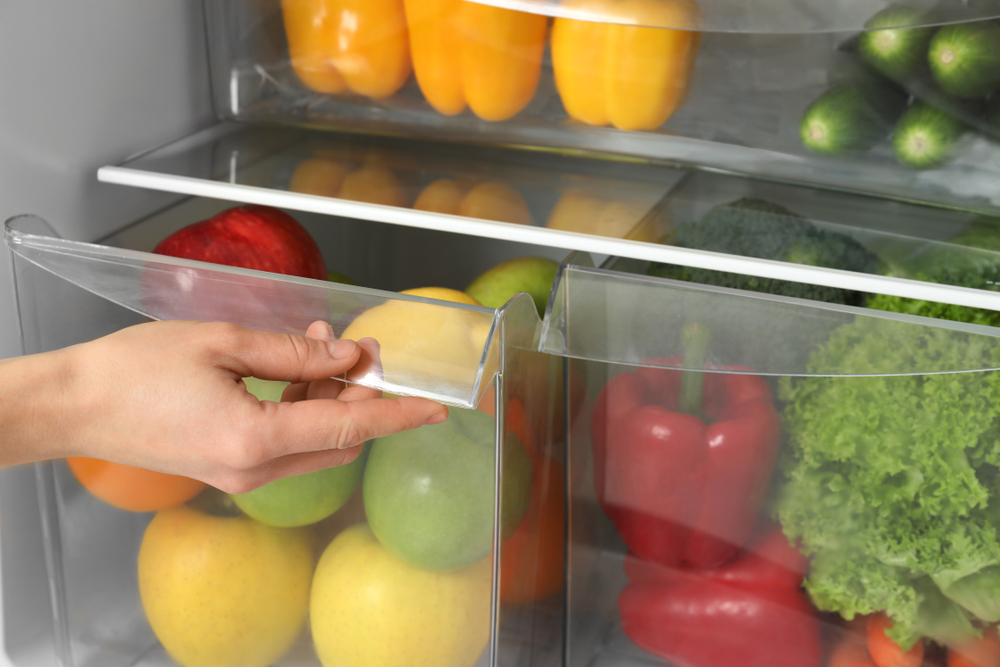
There’s something deeply satisfying about opening your fridge and finding crisp vegetables and juicy fruits that still look as good as the day you bought them. Yet, too often, produce goes soft, wilted, or moldy before we get the chance to enjoy it. The good news? With a few simple, modern storage tricks, you can extend the life of your fruits and vegetables and cut down on food waste—without turning your kitchen into a science lab.
Let’s explore how to keep your produce fresher for longer in a way that’s easy, practical, and actually works.
Understand That Not Everything Belongs in the Fridge
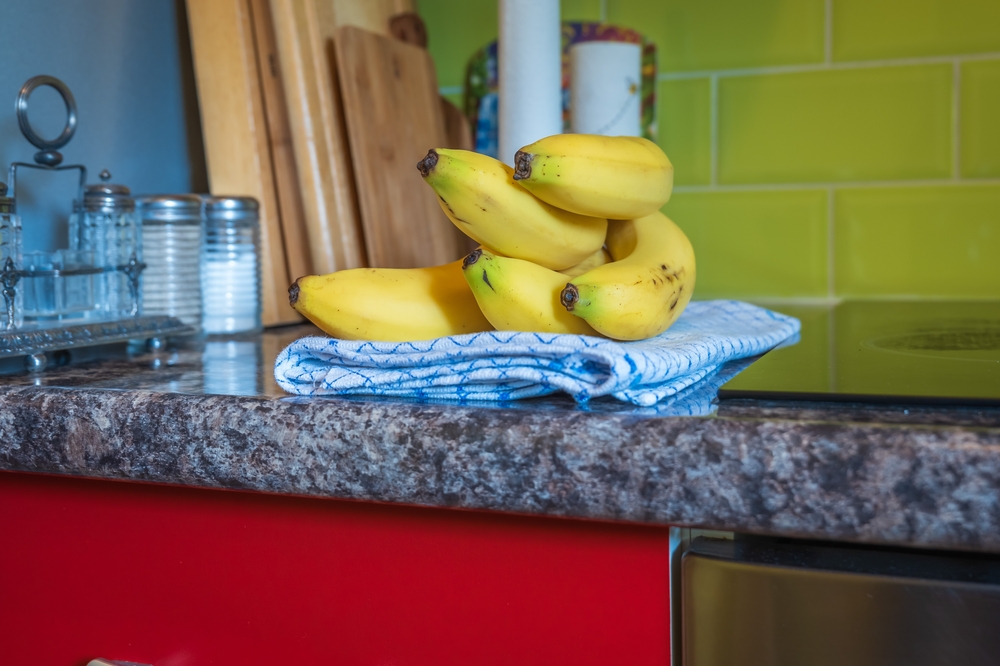
One of the most common mistakes is refrigerating everything. While many vegetables love the cold, some fruits actually lose flavor and texture in low temperatures.
Keep items like bananas, tomatoes, onions, potatoes, and garlic at room temperature. Refrigeration can make bananas turn black faster and tomatoes lose their natural sweetness. On the other hand, leafy greens, berries, carrots, and broccoli thrive in the fridge.
Think of it this way: if it grew in a warm climate, it probably prefers staying out of the cold.
Separate Fruits and Vegetables
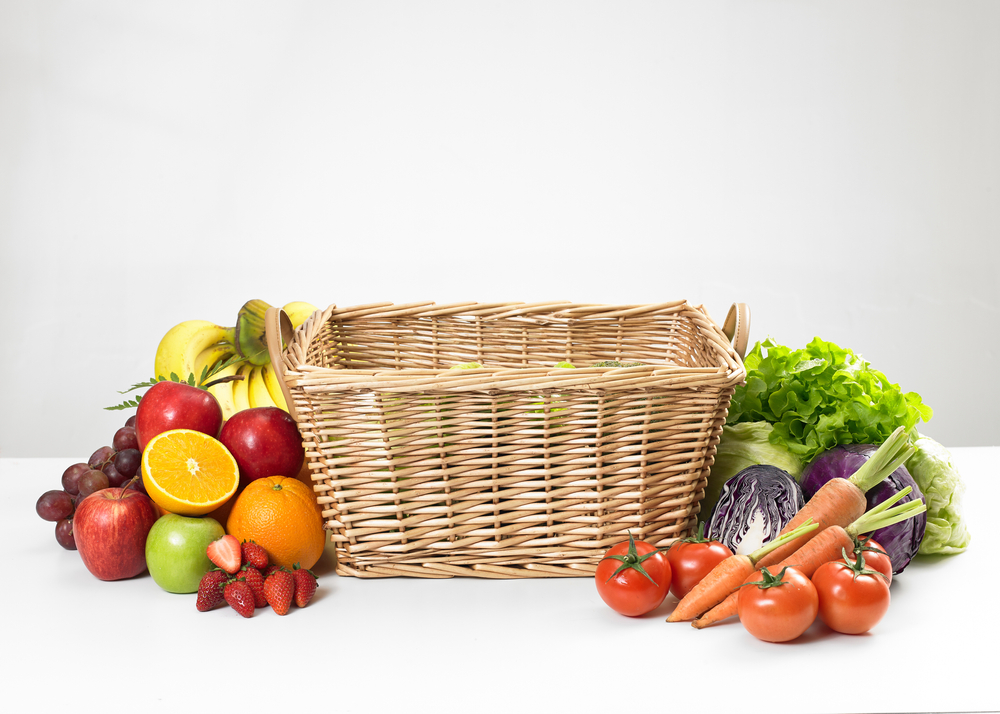
Fruits like apples, bananas, and avocados release a natural gas called ethylene, which speeds up ripening. While that’s helpful if you want to ripen an avocado quickly, it’s not great for nearby vegetables.
Store ethylene-producing fruits away from sensitive vegetables like cucumbers, lettuce, and carrots. This small step can prevent premature spoilage and keep everything fresher for longer.
Give Your Greens Some Breathing Room
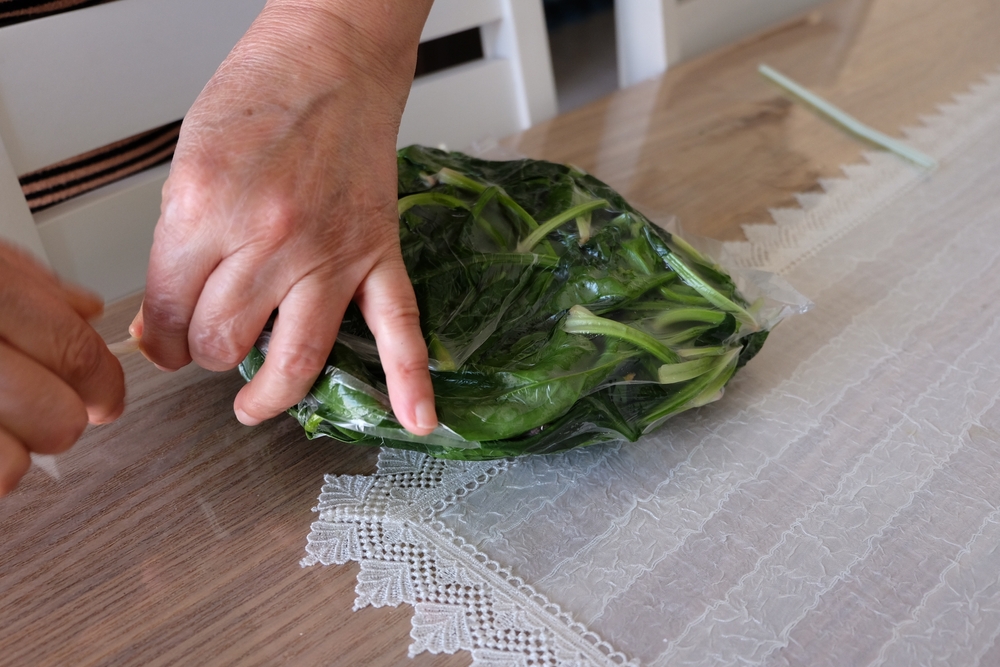
Leafy greens such as spinach, lettuce, and coriander need moisture—but not too much. Excess water causes them to rot quickly.
A simple trick is to wrap them in a paper towel before placing them in a container or plastic bag. The paper towel absorbs extra moisture, keeping the leaves crisp and fresh for days.
Reusable storage containers with airflow vents are also a great modern option if you want to upgrade your kitchen habits.
Don’t Wash Before Storing (Most of the Time)
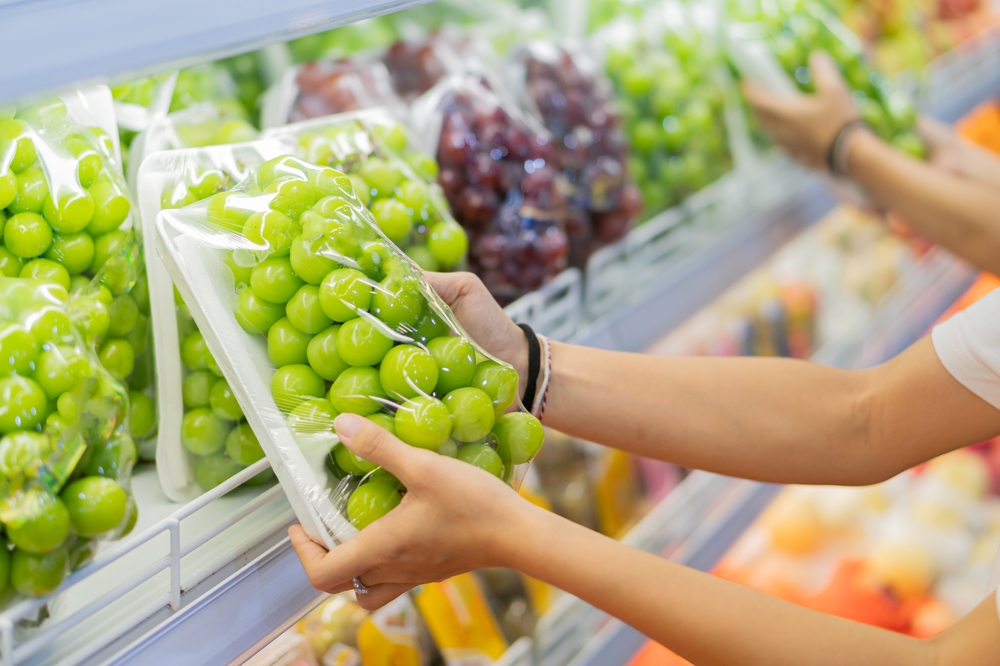
It might feel cleaner to wash fruits and vegetables right after buying them, but doing so can actually reduce their shelf life. Moisture encourages mold and spoilage.
Instead, wash produce just before you’re ready to eat or cook it. The exception? If you’re prepping ahead, make sure everything is completely dry before storing.
Use the Right Storage Zones in Your Fridge
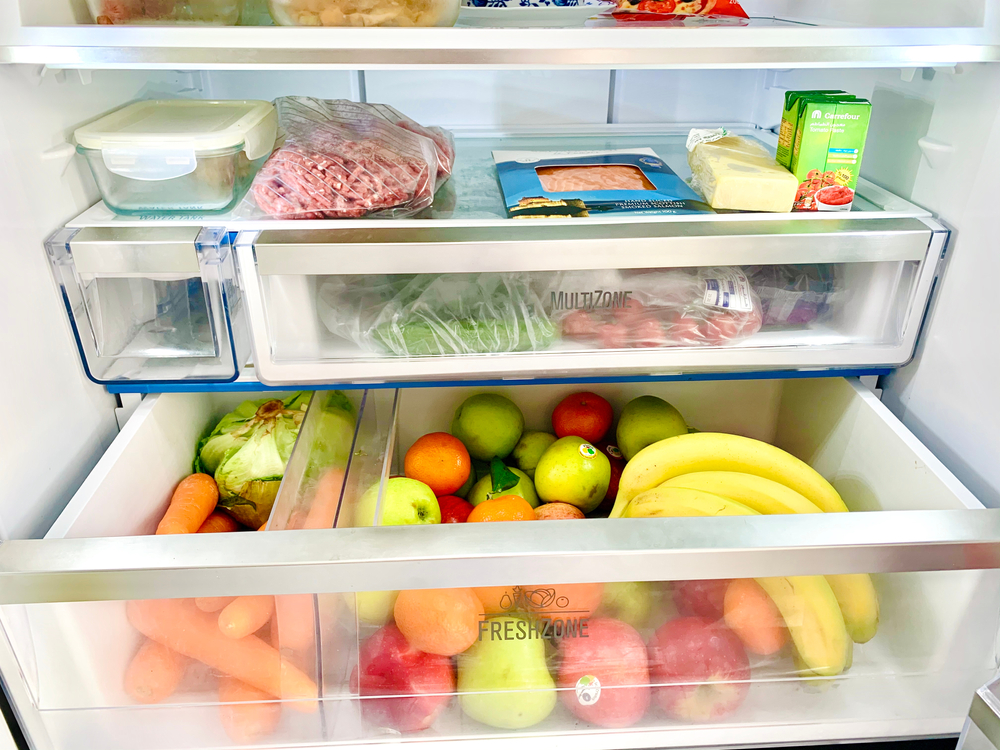
Modern refrigerators often come with crisper drawers—and they’re not just for show. These drawers help control humidity levels.
- Use high-humidity drawers for leafy greens and vegetables.
- Use low-humidity drawers for fruits.
Keeping items in their ideal environment slows down spoilage and preserves texture.
Store Herbs Like Fresh Flowers
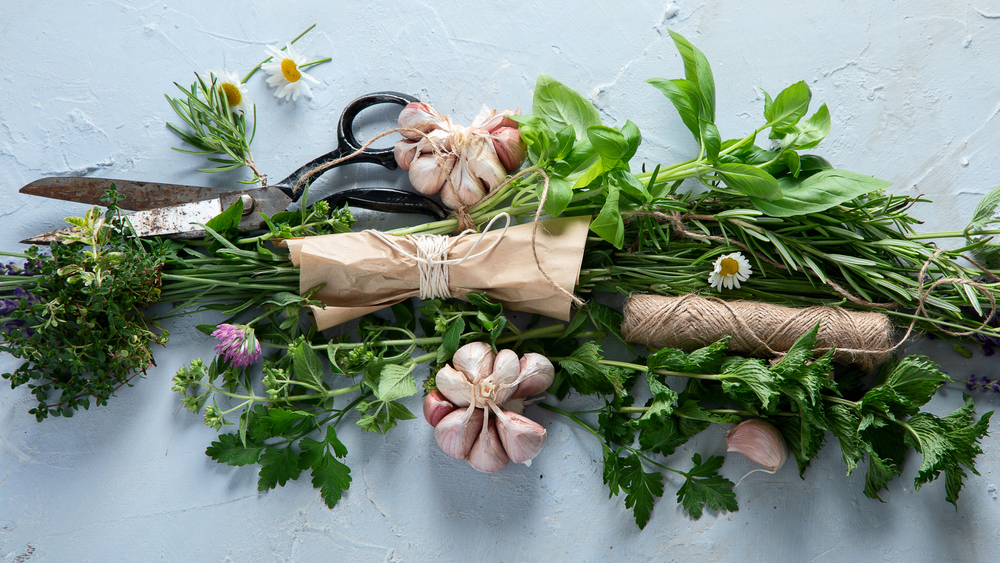
Soft herbs like coriander, parsley, and mint stay fresh much longer when treated like a bouquet. Trim the stems and place them in a glass of water, then loosely cover them with a plastic bag.
You can keep them in the fridge (or on the counter for certain herbs like basil). This method keeps them vibrant and usable for over a week.
Keep Potatoes and Onions Apart
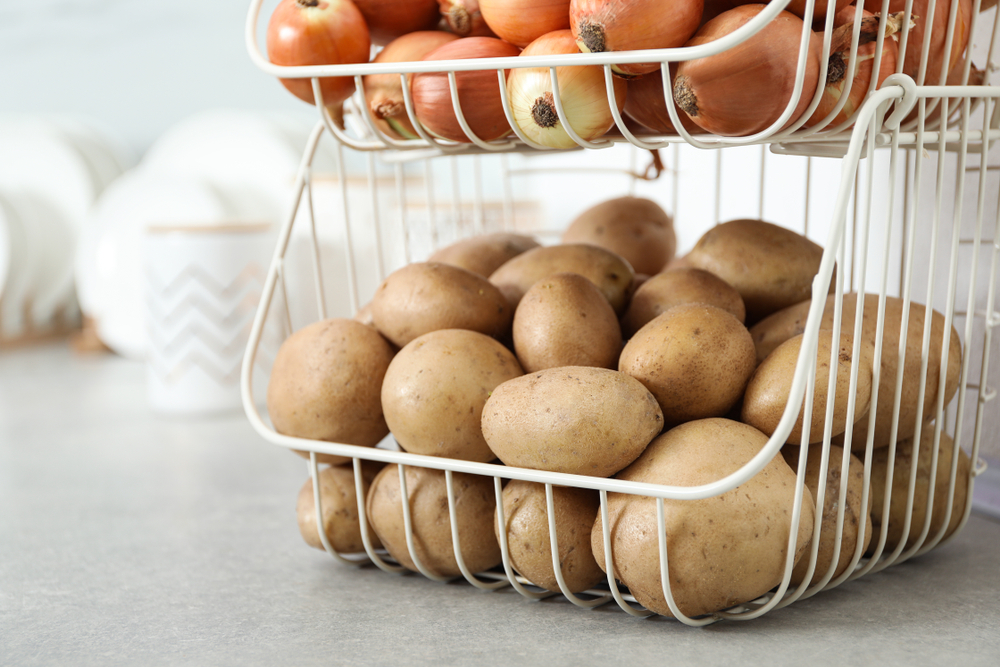
It’s tempting to store potatoes and onions together, but they don’t get along. Onions release moisture and gases that can cause potatoes to sprout and spoil faster.
Store them in separate, cool, dry, and well-ventilated places. A basket or paper bag works better than sealed plastic.
Freeze Smartly When Needed
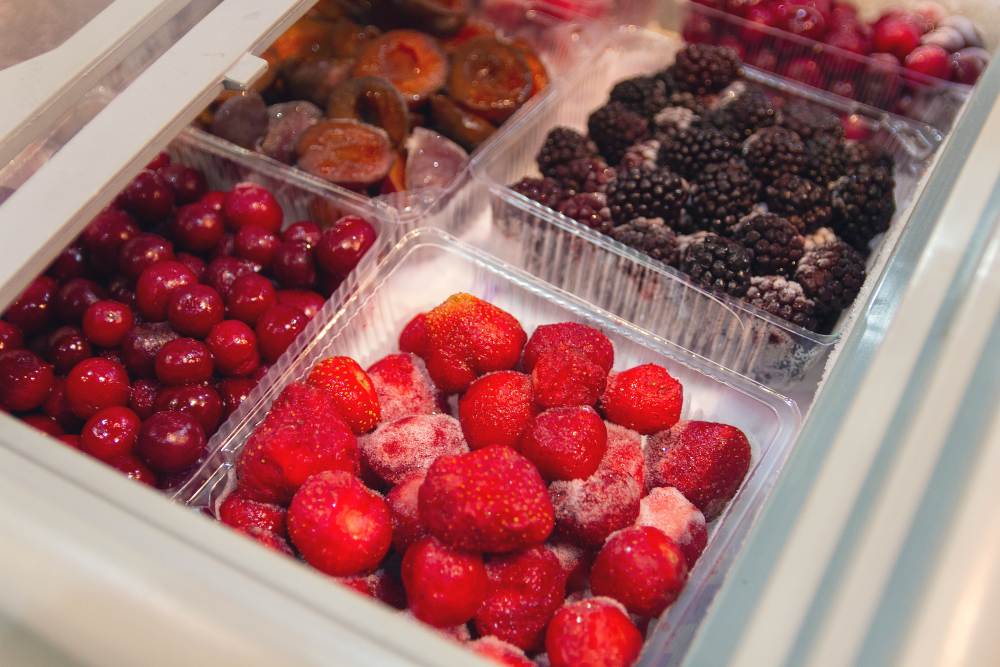
If you notice produce getting close to its limit, freezing is your best friend. Fruits like berries, mangoes, and bananas freeze beautifully and can be used later in smoothies or desserts.
Vegetables like peas, spinach, and beans can also be frozen after a quick blanching process. This locks in nutrients and extends their usability for months.
Use Transparent Containers
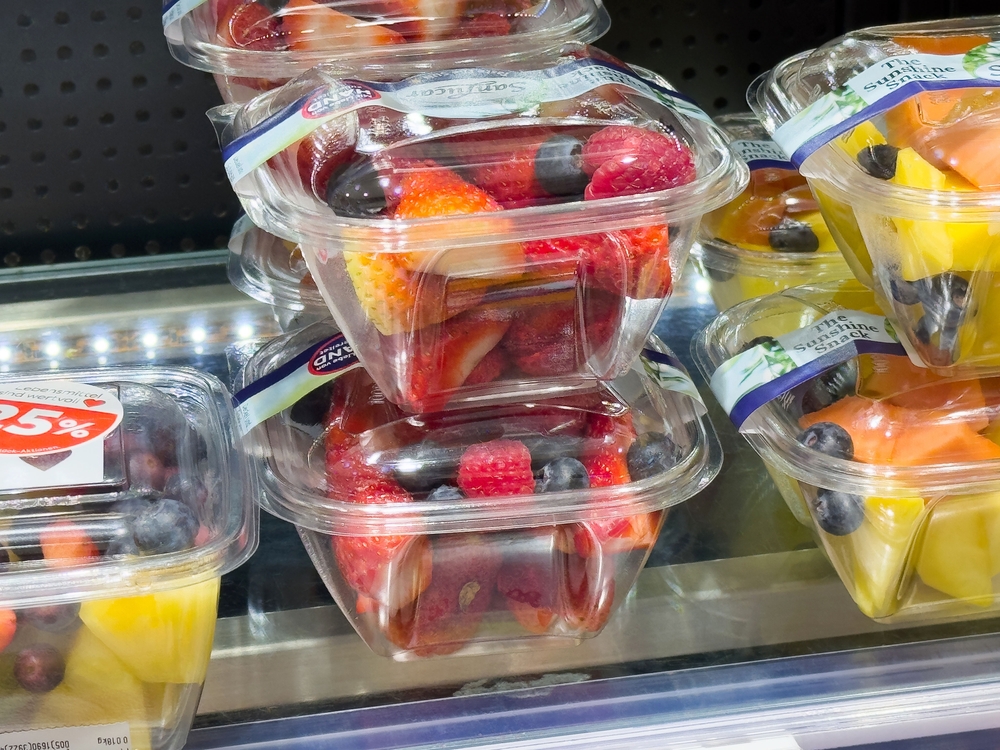
Out of sight often means out of mind. When produce gets hidden in drawers or opaque bags, it’s easy to forget—and waste.
Switch to clear containers so you can see what you have at a glance. This simple habit encourages you to use items before they spoil.
Buy Smart, Not Just Fresh
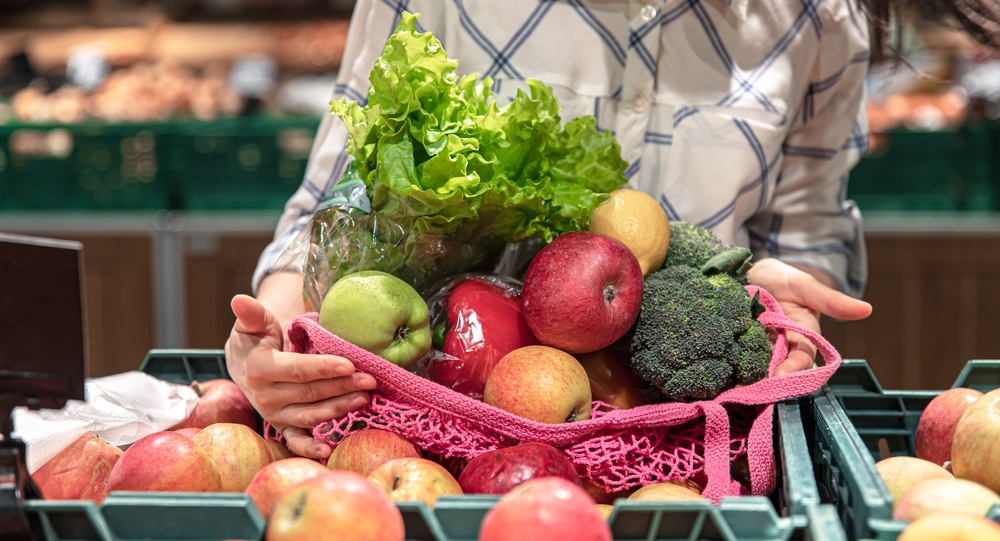
Finally, freshness starts at the store. Avoid overbuying, especially if you don’t have a plan to use everything within a few days. Choose produce that looks fresh but not overly ripe unless you plan to eat it immediately.
Shopping a bit more frequently and buying in smaller quantities can actually save you money and reduce waste.
A Fresh Takeaway
Keeping fruits and vegetables fresh isn’t about complicated systems—it’s about understanding how they behave and giving them the right environment. With a few thoughtful changes, you’ll notice your produce lasting longer, tasting better, and saving you from unnecessary waste.
Your fridge isn’t just storage—it’s a freshness strategy waiting to be optimized.